BoykoNapier, PLLC

  • Home
  • Practice Areas
    • Family Law / Divorce
      • Divorce
        • Contested vs. Uncontested Divorce
        • Separation Agreements
        • Spousal Support / Alimony
      • Child Custody, Visitation and Support
      • Adoption
      • Modification of Orders
      • Protective Orders
      • Premarital and Postmarital Agreements
      • Annulments
      • Qualified Domestic Relations Orders
      • Relocation Custody Cases
      • Grandparent and Third-Party Custodial Rights
    • Mediation: Divorce, Custody, Support
    • Criminal Defense / Traffic Defense
      • DUI / DWI, Driving Under the Influence
      • Drug Possession and Drug Distribution
      • Assault and Battery / Malicious Wounding
      • Larceny and Embezzlement
      • Reckless Driving
      • Juvenile Criminal Defense
      • Traffic Violations and License Suspensions
      • Expungement
  • Attorneys
    • Marc A. Boyko
    • Mary A. Napier
    • J. Ryan Ferry
    • Wallace “Woody” Gram
    • Mary C. Heffley, Paralegal
  • About Us
    • Why Choose Us
    • Fees and Costs
  • Blog
    • Resources
  • Contact

Call: 804-658-3418

Charged with Domestic Assault and Battery? What You Should Know about the First Offender Program

March 20, 2013 By Marc Leave a Comment

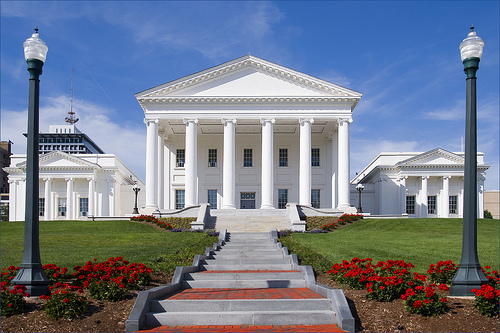
Richmond, Virginia Capital
Courtesy of Ron Cogswell via flickr.com

In Virginia, if you are charged with Domestic Assault and Battery (Virginia Code Section 18.2-57.2) and have no previous convictions for this offense you may be entitled to relief from conviction under Virginia Code Section 18.2-57.3, commonly referred to as the “First Offender Program”.   We would recommend that you speak with an experienced criminal defense attorney in order to discuss the details of the program, as well as your eligibility.  Here are a few quick points:

How do I get into the First Offender Program?

  • If you are eligible for first offender, and have been found guilty of domestic assault and battery (whether through pleading guilty, or following a trial), you can ask the Court to allow you to enter into the first offender program.
  • If the Court grants your request, your case will be continued for at least 2 years.  You will be placed on “probation” and will be obligated to perform various tasks.

What will I be required to do during probation?

  • Complete an assessment/evaluation through the local probation agency and abide by the treatment/educational programs recommended by the results of such assessment/evaluation, as well as any programs the Court may require.
  • Frequently, you will be required to complete an anger management course.
  • If the defendant was under the influence of drugs or alcohol at the time of the offense, it is common for the Court or probation officer to require the defendant to undergo random drug/alcohol screens.
  • Make reasonable efforts to secure and/or maintain employment.
  • Keep the Peace and Be of Good Behavior: if you get new charges during the period of probation, you will likely violate the terms of the program.
  • Pay the costs of the program: the costs will differ based on your financial status.

What happens if I do everything that is asked of me?

  • Your case will likely be dismissed after the probation period ends (usually 2 years).

Note: Be honest with yourself before committing to participate in the program.  2 years is a long time to be on probation and certain obligations can be difficult to complete—especially if you are juggling raising a family and a full-time job.  If you are someone who enjoys a few adult beverages on occasion, ask your attorney about the likelihood of being subject to random alcohol screens.  Positive alcohol screens cause a lot of people to flunk the program, which usually results in a conviction and can also lead to severe punishment (some Judges are bothered when a person doesn’t take full advantage of this “second-chance”).  Nevertheless, I would urge you not to be deterred—dedicate yourself to the program and you will be glad that you did.  When the Judge dismisses your case, it will be worth it in the end.

Filed Under: Criminal Law Tagged With: Assault and Battery, Criminal Defense, Criminal Law, Domestic Assault, First Offender, Probation, Virginia Code

Drug Possession Charges and the First Offender Program

March 2, 2013 By Marc Leave a Comment

Richmond, Virginia Skyline
Courtesy of rvaphotodude via flickr.com

In Virginia Courts, if you are charged with possession of narcotics and have no previous drug-related convictions you may be entitled to relief from conviction under Va. Code Section 18.2-251, commonly referred to as the “First Offender Program”.   Be sure to ask your attorney about your eligibility.

How, you might ask?

Convince the Court to allow you to participate (a Judge is not required allow you to enter into the program)—this can be done in a variety of ways, most commonly by an agreement with the Commonwealth’s Attorney, explanation of mitigating factors or simply by entering a plea and advising the judge of your request to be placed into the First Offender Program.

If the Court grants your request, the case will be continued for a period of time (the “probationary period”).  During this time you will be obligated to perform a variety of tasks, including:

  • Completion of substance abuse assessment, and substance abuse treatment/education if appropriate
  • Remaining drug and alcohol free: you will be required to undergo random drug/alcohol screens (note: for a lot individuals, this is the most difficult task)
  • Making reasonable efforts to secure and/or maintain employment
  • Completion of community service hours (at least 100 hours if you are charged with a felony, up to 24 hours if you are charged with a misdemeanor)
  • Complying with a suspended driver’s license: your license will be suspended for a period of time (many judges will authorize a restricted license which will allow you to drive for certain things like work, school, medical care—read the authorized privileges: Va. Code Section 18.2-271.1(E)).
  • Stay out of trouble: if you get new charges during the First Offender Program, you will likely violate the terms of the program.
  • Pay the costs of the program (if you are indigent you can ask the Court to reduce or eliminate the costs).

Note: Be honest with yourself regarding the random drug and alcohol screens.  A lot of people fail the program because of a positive screen.  Why should that concern you?  A lot of Judges consider this program a second-chance and, if you are not fully compliant, they may punish you more severely than if you never even entered the program—many Richmond, Henrico and Chesterfield judges may even impose a significant amount of active jail time for failure to comply.

Don’t let this kind of warning scare you off.  Though the obligations may be difficult, in my humble opinion the upside of successfully completing the program is much greater than the potential downside.  Besides, if all goes well, your new favorite phrase will be: “Case dismissed!”

Related Posts Plugin for WordPress, Blogger...

Filed Under: Criminal Law Tagged With: Chesterfield, Criminal Defense, Criminal Law, Drug Posession, First Offender, Henrico, Richmond, Suspended License, Virginia Code

Call Us: (804) 658-3418

Subscribe to Blog via Email

Enter your email address to subscribe to this blog and receive notifications of new posts by email.

Recent Posts

  • BoykoNapier Attorneys Selected as Superlawyers
  • Virginia Divorce: Living Separately in the Same House
  • Virginia Divorce: Separation Agreements instead of Litigation

Categories

  • Child Custody
  • Child Support
  • Client Concerns
  • Criminal Law
  • Divorce
  • Family Law
  • Firm News
  • Holiday
  • Personal Injury
  • Uncategorized
  • Wills

Pages

  • Family Law
  • Criminal Defense
  • Personal Injury
  • Archive Page
  • Company Profile
  • Contact Us

Call Us: (804) 658-3418

Office Address:
5807 Staples Mill Road
Richmond, Virginia 23228
Phone: (804) 658-3418
Fax: (804) 658-3441

Social

  • View BoykoNapier’s profile on Facebook
  • View @boykonapier’s profile on Twitter
Google+
Disclaimer

Copyright © 2026 BoykoNapier, PLLC, all rights reserved