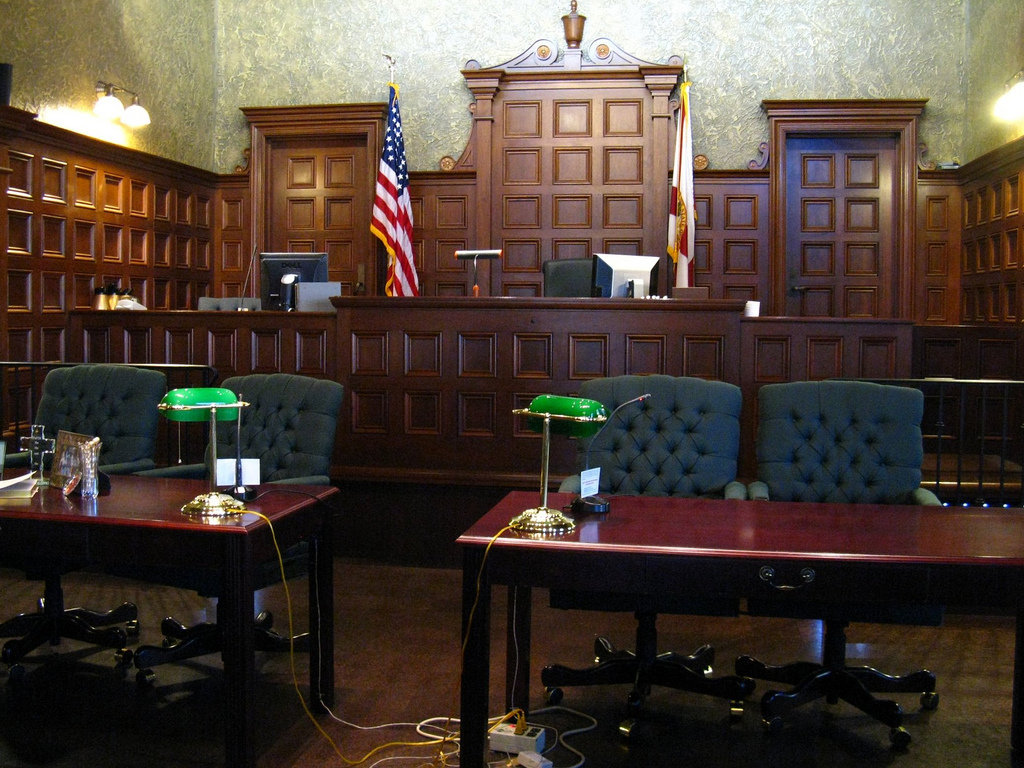
In Virginia, once a Defendant has been found guilty of a criminal charge, whether by a Judge or Jury, the trial will proceed with a sentencing hearing (i.e. the punishment phase). During this hearing, both sides–the Commonwealth and the Defense–are permitted to present evidence and argument before the Court makes a final ruling.
Evidentiary Phase:
-
Witnesses for the Commonwealth:
- Quite frequently, particularly in situations of violence, the Commonwealth’s Attorney will call the victim and/or the victim’s family to the stand to testify about the impact of Defendant’s actions—a.k.a. “Victim Impact Statements”.
- The Commonwealth may also call other witnesses—these could include other individuals who may have been impacted by the crime involved, or perhaps individuals who can lay foundation for a restitution award.
-
Witnesses for the Defense:
- The Defense attorney’s job in the sentencing phase is primarily referred to as “mitigation”–i.e. to lessen the severity of the situation. The Defense may choose to call family members of the Defendant, or even the Defendant himself, to establish the emotional and economic impact on the family, as well as the nature of Defendant’s character.
- It may also be appropriate to call witnesses to speak about any physical or mental illnesses (including addictions) the Defendant suffers from. This may be done in conjunction with a request for a sentencing alternative–i.e. a treatment program for mental illness, addiction, or both.
-
Documents for the Commonwealth:
- The Commonwealth will certainly be introducing the Defendant’s criminal record, which is one of the primary items that the Court will use in determining the punishment. The Commonwealth may also introduce additional documents, including photographs of injuries (if applicable) and evidence of restitution (i.e. medical bills) that they will ask the Defendant to pay.
-
Documents for the Defense:
- The Defense will often introduce mitigating evidence through documents. Here are some common types:
- Character Letters–from friends, family, employers, co-workers, members of the clergy, etc.
- Evidence of restitution payments (i.e. receipts/canceled checks)
- Evidence of community involvement/community service
- Medical and psychological evaluations
- Certificates of completion of character building courses–anger management, shoplifter’s prevention, etc.
- Apology letters
- Evaluation Reports or letters related to Sentencing Alternatives–i.e. documentation showing the treatment programs that will accept Defendant
- Note: In Central Virginia (i.e. Richmond, Henrico, Chesterfield, Hanover), there are a variety of programs that most Judges will consider–it is important to speak with your attorney to find out what programs you might qualify for.
- The Defense will often introduce mitigating evidence through documents. Here are some common types:
-
Felony cases:
- Virginia Sentencing Guidelines
- The Court will receive sentencing guidelines if the Defendant has been convicted of a felony.
- The “guidelines” are a suggested sentencing range that the Court will consider in determining an appropriate term of incarceration. The guidelines are calculated using a variety of factors, most notably the nature of the current conviction and the criminal history of the Defendant. The guidelines are not mandatory–the Court can choose to deviate from them as the circumstances may warrant.
- Your attorney should review the sentencing guidelines with you prior to the sentencing hearing so that you are aware of their impact on the Court’s decision.
- Pre-Sentence Reports
- In felony cases, the Court will usually receive a comprehensive analysis of the Defendant in what is referred to as a “pre-sentence report”.
- This report is designed to provide the Court and the parties with a historical overview of the Defendant’s background—including his family history, mental health issues (if applicable), socioeconomic information, details regarding the current offense and the Defendant’s criminal record.
- Virginia Sentencing Guidelines
Argument Phase:
Once the witnesses and evidence have been presented by both the prosecution and defense, the Court will permit time for each attorney to argue their proposed disposition. The amount of time necessary for this phase will depend largely on the complexity and the seriousness of the charge. You can expect both sides to comment on the evidence and witness testimony, the nature of the present charge and the sentencing guidelines. As is noted above, it is also common for the Defendant to request an alternative to incarceration–a residential drug treatment program, for example.
At the conclusion of the argument phase, the Judge will render a decision. The Defendant will have options regarding appeal if he or she is not satisfied with the outcome.
If you have any additional questions about sentencing hearings, or any other criminal defense related inquiries, please contact BoykoNapier to speak with one of our experienced attorneys. We can be reached via phone at (804) 658-3418, or via email.


Leave a Reply